When you do not feel well, it can be hard to figure out why. While some health problems are easy to notice, others can hide under the surface. High blood pressure (also called hypertension) is one of those health issues that can be tricky to recognize. It is often called the silent killer because it can be hard to tell if you have it until symptoms become severe.
Understanding what high blood pressure is, how you can tell if you have it and what to do if you have it will help you gain control over it. Here is what you need to know about high blood pressure to make sure you stay healthy.
What is High Blood Pressure?
Blood pressure is how we measure how hard blood pushes against your arteries as your heart pumps. Your blood pressure can change throughout the day. High blood pressure is a health condition where your blood regularly flows at a pressure that is higher than normal.
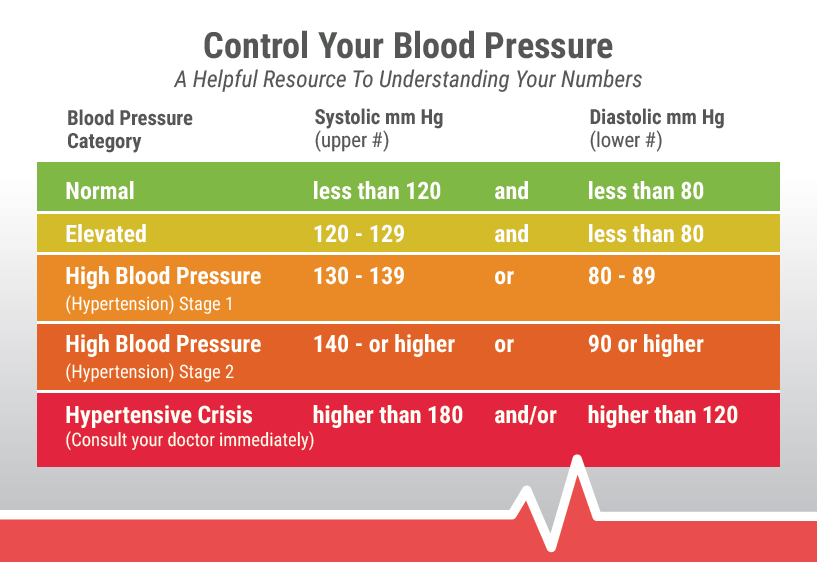
We categorize blood pressure in several ways by checking two different numbers called systolic and diastolic blood pressure.
Systolic Blood Pressure is how hard your blood presses against your artery wall your heart beats.
Diastolic Blood Pressure is how hard your blood presses against your artery wall when your heart rests between beats.
High blood pressure can cause series health issues, including:
- Heart disease/heart attack
- Stroke
- Aneurysm
- Memory problems/dementia
- Vision loss
- Kidney disease
- Pregnancy complications
- Metabolic syndrome
- And more
How Can I Tell If I Have High Blood Pressure?
High blood pressure often does not have obvious signs or symptoms, so it can be easy to miss if you do not schedule regular appointments with your provider. Even though high blood pressure may be hard to notice, you should think about several risk factors for developing it and check for possible symptoms.
Risk factors:
- Age
- Obesity/poor diet
- Diabetes
- Poor mental health
- Stress
- Pregnancy
- Too much alcohol
- Tobacco use
- Family history/genetics
Symptoms:
- Shortness of breath
- Severe headaches
- Chest pain/racing heart
- Vision change/blurred vision
- Back pain
- Numbness
- Weakness
- Nosebleeds
The best way to stay healthy if you have high blood pressure is by taking blood pressure medication and making lifestyle changes based on your provider’s recommendations. These lifestyle changes can include eating healthy food, exercising regularly, losing weight, maintaining healthy weight, managing stress, quitting smoking and drinking less alcohol. Be sure to talk to your provider about the best way to stay healthy if you have high blood pressure.
When Should I Seek Help?
You should have a blood pressure screening every other year if you are under 40 and once a year if you are 40 or older. HealthLinc does blood pressure readings at all medical appointments, so if you stick to your regular yearly appointment, your provider can let you know if your blood pressure is high and recommend follow-up readings.
If you are at risk of high blood pressure or experience symptoms of high blood pressure, schedule an appointment with your provider to talk about it. If you are experiencing severe chest pain, shortness of breath, back pain, numbness, weakness, change in vision or difficulty speaking, you are likely experiencing a hypertensive crisis and should call 911.
Contact HealthLinc at 888-580-1060 to talk to your provider about high blood pressure today.